
DONATE A LEARNING TABLET TO A GOVERNMENT SCHOOL STUDENT
Value : ₹ 7,000
Location : Government Schools
About the campaign
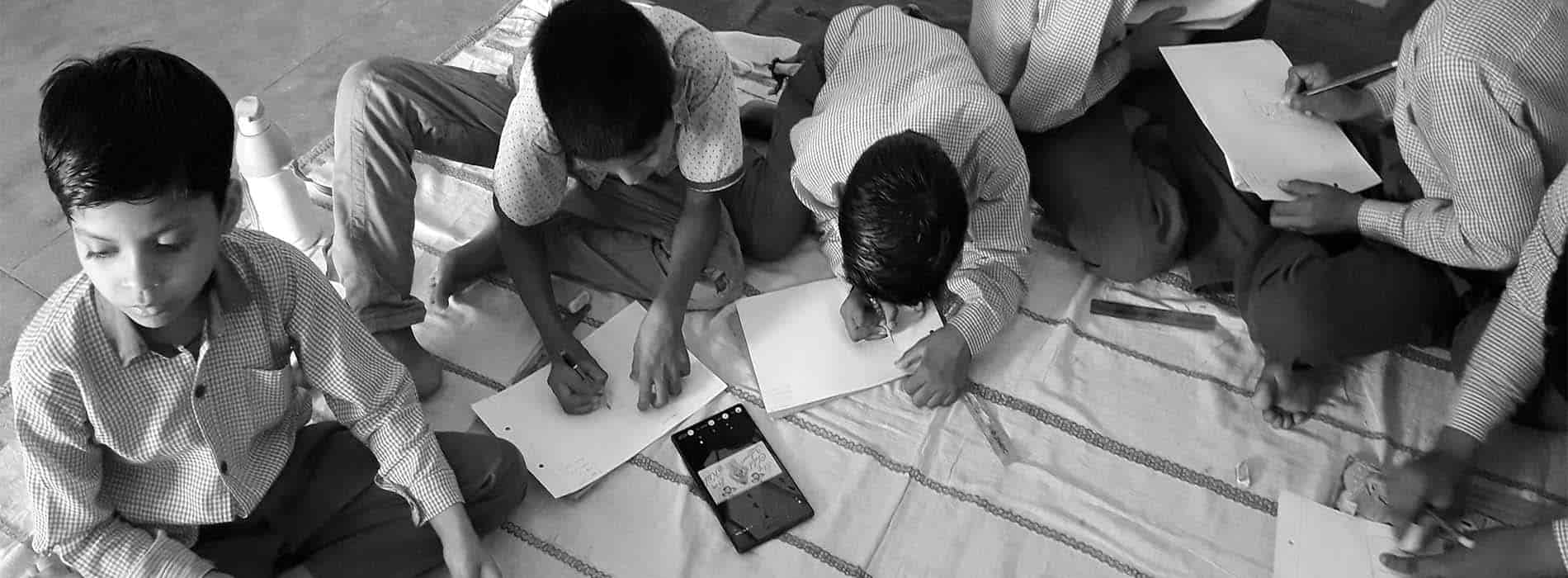
Digital literacy refers to a wide range of skills, which are necessary to emerge successfully and adapt to the digital world. Since the print mediums are facing stagnation, the ability to grasp information found online becomes important. Students who lack digital literacy skills may soon find themselves tough to gain access to information that is available online.
Due to widespread poverty, many communities find the cost of digital technology unmanageable. For such communities to afford a tablet or pay the monthly tariff for internet connection is more of a luxury than a necessity. Having access to tablets in government schools will give schoolchildren a chance to adapt better and face the digital world, but most government schools are not equipped with such facilities. According to an ASER study conducted in 2018 in 596 government schools of 619 districts overall, only 21.3% of the students have access to computers in their schools (ASER, 2018).